HW task 5. Reading
A. Quickly read the article opposite.
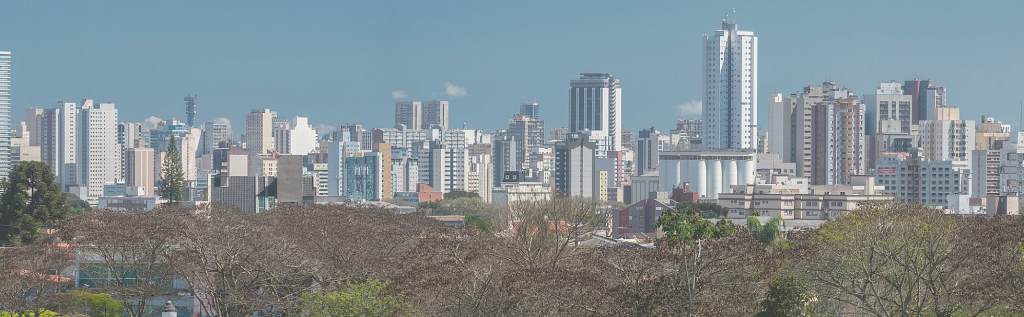
Like many other major world cities, Curitiba in southern Brazil has had to deal with issues such as pollution, poverty, and limited public funding. However, the architect and three-times mayor of the city, Jaime Lerner, has introduced some innovative solutions.
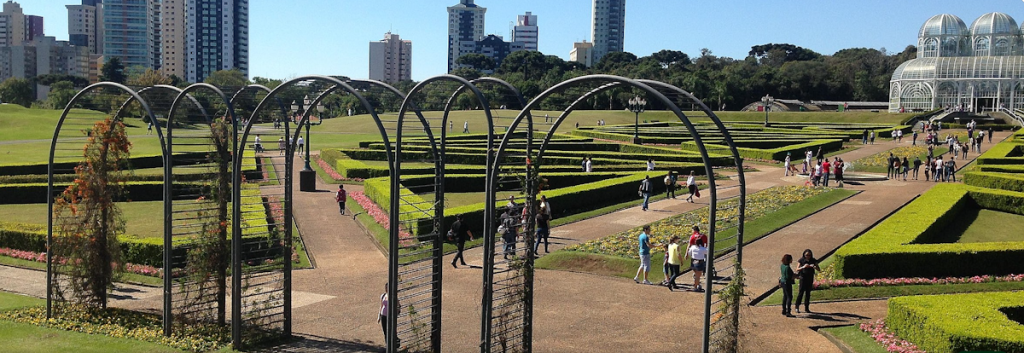
As part of his ‘Master Plan’, Lerner hoped to make the city more environmentally friendly. He initiated a recycling scheme based on an ‘incentives’ system. In return for delivering recyclable rubbish to specified processing points, residents receive a bag of vegetables or bus tokens. As a result, Curitiba now has one of the highest recycling rates in the world. Lerner also ordered the creation of 26 urban parks. As well as curbing pollution, these control flooding. They also make an unusual sight for tourists — as a low-cost method to keep the lawns in trim, sheep are allowed to graze there!
Easing traffic congestion presented a challenge as resources were limited, but Lerner came up with the idea of a rapid transit bus system, with extra long buses and special ‘pod’ shaped bus stops all over the city. It runs as swiftly as an underground railway but for a tenth of the cost. Commuters were delighted.
Lerner did not win over all the city’s residents immediately, however. When his plans to pedestrianise part of the centre were passed, local businesses were up in arms, fearing a reduction in profits. Realising he needed to act quickly, Lerner had the transformation
of six blocks completed within three days. When a group of stubborn motorists attempted to drive through the new pedestrian area, Lerner
arranged for local primary schools to hold a painting workshop on the streets. The drivers were forced to turn back. Luckily for Lerner, this rebellion was short-lived. The ensuing increase in turnover rapidly persuaded shop owners to change their minds. What’s more, the incident also effectively demonstrated that Lerner was a mayor who could get things done.
Lemer’s pragmatism and determination helped shape the Curitiba of today. The average income per capita has risen from a level that was below the Brazilian average in the 1970s to 66% above the average, and surveys indicate high levels of resident satisfaction.
So, is it all just one big success story? In some respects, Curitiba may have been too successful for its own good. People and businesses have flocked to the city, which now has more than 1.8 million residents. This has put the city under enormous strain. Forty years ago, buses transported 54,000 passengers a day. Now the number is 2.3 million. According to some experts, the transport system has reached its maximum efficiency capacity. Following a surge in complaints about the noisy and packed buses, the service is in decline. What’s more, the city is struggling to provide sufficient housing, employment and school places for all its new residents.
How long Curitiba can retain its image as a model sustainable city depends on what planners will do next — one thing’s for certain, the city will keep on changing.
| Glossary |
| graze: eat grass |
| flock to: go to (a place) in large numbers |
| sustainable: capable of being continued with minimum long-term damage to the environment |
B. Read the article again. Are the statements true (T) or false (F)?
C. Complete the sentences with one particle in each gap. The expressions are all taken from the article.